
Letter to the Editor
As a White person raised to avoid uncomfortable topics like the toxic presence of the Confederate monument in Fairview Cemetery, I have been slow to embrace healthy discomfort. For example, many years ago an African American person asked me, “What do you think about Martin Luther King?” I said, “It’s difficult to talk about.”
Back then, Robin DiAngelo’s phrase “White fragility” wasn’t in use, but my response was a classic example of it. Underneath the words, I was saying, “It’s difficult for me to talk about Martin Luther King because I might say something wrong, give offense, and be called racist. It’s easier to dodge your question about a Civil Rights leader I admire than risk a genuine conversation that could threaten my ego.”
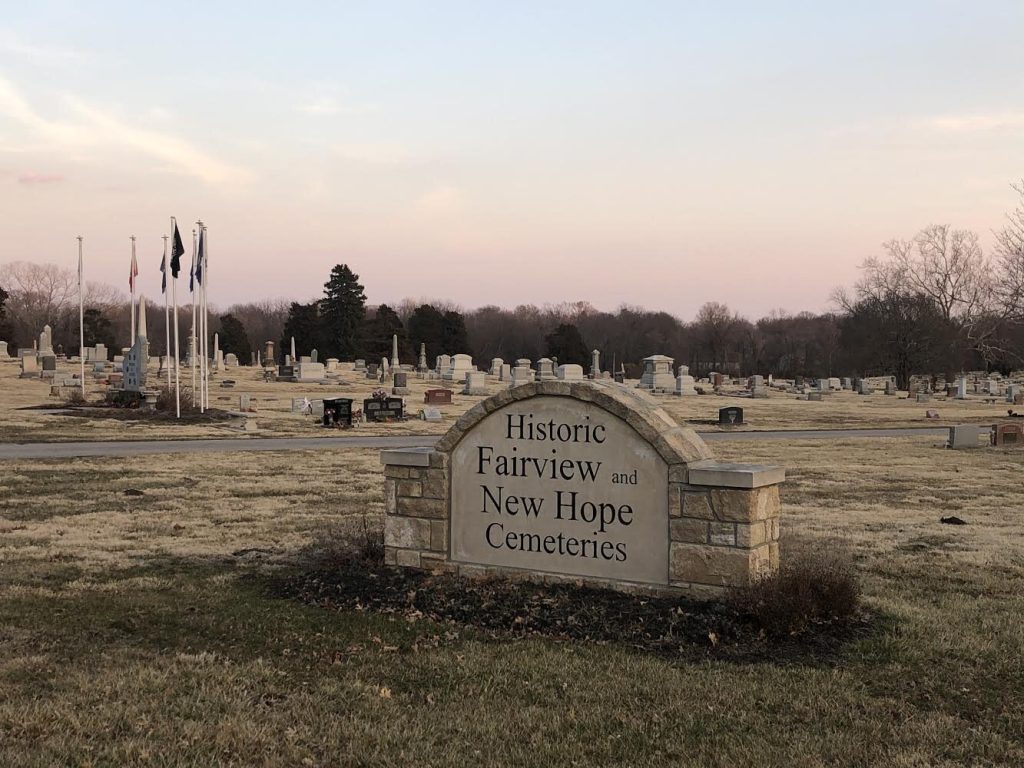
The following day, I apologized and took my mistake to heart because I wanted to do better, and this spirit nudges me to speak out against injustice in my hometown today. Believe me, I know White fragility well, and I recognize signs of it in the strong feelings triggered by the campaign to remove the Confederate statue. Anger, defensiveness, and denial are all common White-fragility responses to being confronted by disturbing realities like the message of hate this statue sends. Etched on its plinth are the Confederate Flag and the name of slave-trader and Confederate general, Nathan Bedford Forrest, who perpetrated the Fort Pillow Massacre in 1864 and became the first “Grand Wizard” of the KKK in 1867.
White fragility shies away connecting an old statue and war criminals like Forrest to my racial background. However, because I have ancestors from Kentucky and Missouri, my family history is linked to the Confederacy and Border states that allowed enslavement before 1865. I’m haunted by questions about these White ancestors: “Did they enslave people and steal their labor to enrich themselves? Did they take part in lynch mob violence?”
White fragility tells me, “You do not want to know the answers to these questions. What would you do with this knowledge, anyway?” For a start, I would continue to push for the removal of Confederate monuments, for they tell lies of white supremacy, lies that justified slavery, Jim Crow laws, and hideous violence against African Americans. Lies that have also fueled white nationalist atrocities in the twenty-first century like the Buffalo, New York mass shooting in 2022.
For White individuals who believe racism is not their concern, conscience calls them to face up to the trauma it has inflicted and still inflicts on African Americans and other racialized communities. It calls White people to humbly listen when injustice is called to our attention and take action to right the wrong. And that’s why conscience calls us to remove the statue of a generic Confederate soldier who has been defending racist ideology with a long rifle for 120 years.